
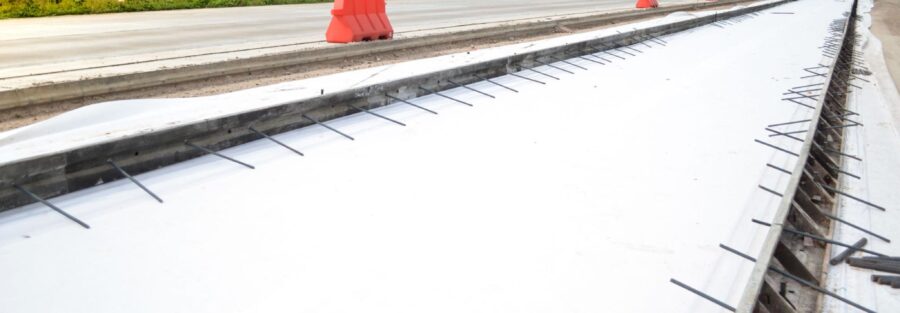
Geotextile fabric is a specially engineered permeable textile material used in civil engineering and construction projects to improve soil stability, provide drainage, and enhance the durability of structures. Made primarily from synthetic polymers like polypropylene or polyester, geotextiles are designed to withstand harsh environmental conditions while maintaining their strength and functionality over time.
In simple terms, geotextile fabric acts as a protective layer between soil and construction materials. It allows water to pass through while preventing soil particles from moving, which helps maintain the structural integrity of roads, embankments, drainage systems, and other infrastructure projects.
Types of Geotextile Fabric
Geotextiles are broadly classified into two main types: woven and non-woven. Woven geotextiles are made by weaving fibers together, providing high tensile strength and making them ideal for applications like road construction and soil stabilization. Non-woven geotextiles, on the other hand, are manufactured by bonding fibers through heat or chemicals, offering excellent filtration and drainage properties.
Leading manufacturers like Siddhi Rubber India Pvt. Ltd. provide high-quality geotextile fabrics that meet industry standards and are widely used in infrastructure and construction projects across India.
Key Functions of Geotextile Fabric
Geotextile fabrics perform several important functions in civil engineering:
1. Separation:
One of the primary uses of geotextile fabric is to separate different layers of soil or materials. For example, in road construction, it prevents the mixing of subgrade soil with aggregate layers, maintaining the strength and stability of the road.
2. Filtration:
Geotextiles allow water to pass through while retaining soil particles. This makes them highly effective in drainage systems, preventing clogging and improving water flow.
3. Drainage:
In construction projects, proper drainage is crucial. Geotextile fabric helps channel water away from structures, reducing the risk of water damage and soil erosion.
4. Reinforcement:
Geotextiles enhance the load-bearing capacity of soil by distributing weight evenly. This is especially important in weak soil conditions, where additional support is needed.
5. Protection:
They act as a protective barrier for geomembranes and other materials, preventing damage during installation and use.
Importance in Civil Engineering
The importance of geotextile fabric in civil engineering cannot be overstated. It plays a critical role in improving the lifespan and performance of infrastructure projects. By preventing soil erosion, enhancing drainage, and increasing load distribution, geotextiles contribute to stronger and more durable structures.
In road construction, geotextile fabrics are used to stabilize the base layer, reducing maintenance costs and extending the life of the road. In drainage systems, they ensure efficient water flow, preventing waterlogging and structural damage. Similarly, in embankments and retaining walls, geotextiles provide reinforcement, reducing the risk of failure.
Companies like Siddhi Rubber India Pvt. Ltd. are continuously innovating and supplying high-performance geotextile solutions tailored to modern construction needs. Their products are designed to meet the demands of large-scale infrastructure projects, ensuring reliability and long-term performance.
Conclusion
Geotextile fabric is an essential component in modern civil engineering, offering multiple benefits such as soil stabilization, filtration, drainage, and reinforcement. Its ability to improve the strength and durability of construction projects makes it a valuable material for engineers and contractors.
With trusted manufacturers like Siddhi Rubber India Pvt. Ltd. providing high-quality solutions, the use of geotextile fabric continues to grow in India’s infrastructure development. Investing in the right geotextile products not only enhances project performance but also ensures long-term sustainability and cost efficiency.
Read More: Natural Rubber Sheet vs EPDM Rubber Sheet

