
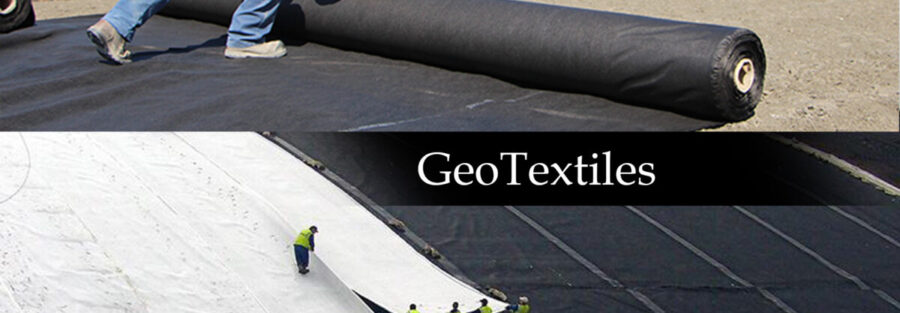
Geotextile fabric used for waterproofing is usually made from woven or non-woven polypropylene material. It is available in different widths and lengths to suit various needs. This fabric can be used in many applications such as roofing, underlayment, wall wrapping, and foundation protection. Because it is durable, flexible, and easy to install, geotextile fabric is a reliable solution for preventing water damage.
We offer non-woven geotextile fabric specially for waterproofing, available in a wide range from 80 GSM to 1000 GSM, depending on customer requirements. On the other hand, woven geotextiles have high strength and load-bearing capacity. They are mostly impermeable and are best suited for stabilization and reinforcement applications.
Benefits of Using Geotextile Fabric for Waterproofing
1. Waterproofing:
Geotextile fabric works as a strong barrier that stops water from passing through, keeping water away from sensitive areas and structures. Its tightly woven, non-porous design helps prevent water seepage, protecting basements, crawl spaces, and other vulnerable areas from water damage. This protective layer keeps foundations, roofs, and other structural parts safe from moisture, lowering the chances of mold growth, structural damage, and expensive repairs.
2. Drainage:
Geotextile fabric helps in proper drainage by allowing water to pass through its permeable structure. It prevents water from collecting and saturating the soil, which helps maintain soil stability and reduces the risk of erosion and landslides. This drainage feature is especially important for landscaping projects, green roofs, and embankments, where excess water can weaken the soil and damage landscaping structures.
3. Filtration:
Geotextile fabric works as an effective filter by holding back soil particles and debris while allowing water to pass through. This prevents drainage systems from getting clogged and helps stop soil from mixing with water sources. As a result, water flows smoothly and drainage systems work efficiently, while sensitive water sources remain protected from contamination.
4. Reinforcement:
Geotextile fabric strengthens soil and other base materials by improving their load-bearing capacity and stability. Its high tensile strength and resistance to deformation help spread loads evenly, making structures such as retaining walls, embankments, and slopes stronger. This reinforcement reduces soil movement and helps prevent structural failure.
5. Separation:
Geotextile fabric works as a separation layer between different types of soil or construction materials, stopping them from mixing with each other and weakening the structure. This allows each layer to perform properly and prevents fine soil particles from moving into coarser layers, which could affect drainage and stability.
How to Choosing the Right Geotextile Fabric for Waterproofing
1. Understand the Application Requirements
Start by clearly understanding the needs of your waterproofing project. Consider the type of structure, its location, soil conditions, and the amount of water pressure expected. These factors will help you choose the most suitable geotextile fabric and narrow down the available options.
2. Evaluate Key Properties
This refers to how easily water can pass through the fabric. Select a highly permeable geotextile for applications that need quick drainage, and choose a less permeable fabric where some water retention is required.
3. Consider Additional Factors
Geotextile fabrics are available at different price points. Assess the fabric based on its value for money and suitability for your specific application. Also, select a geotextile fabric from a trusted manufacturer with a proven history of delivering high-quality products.
4. Sample Testing
Consider requesting samples of different geotextile fabrics to evaluate their properties and suitability for your project. This can help you make an informed decision based on visual inspection and physical testing.